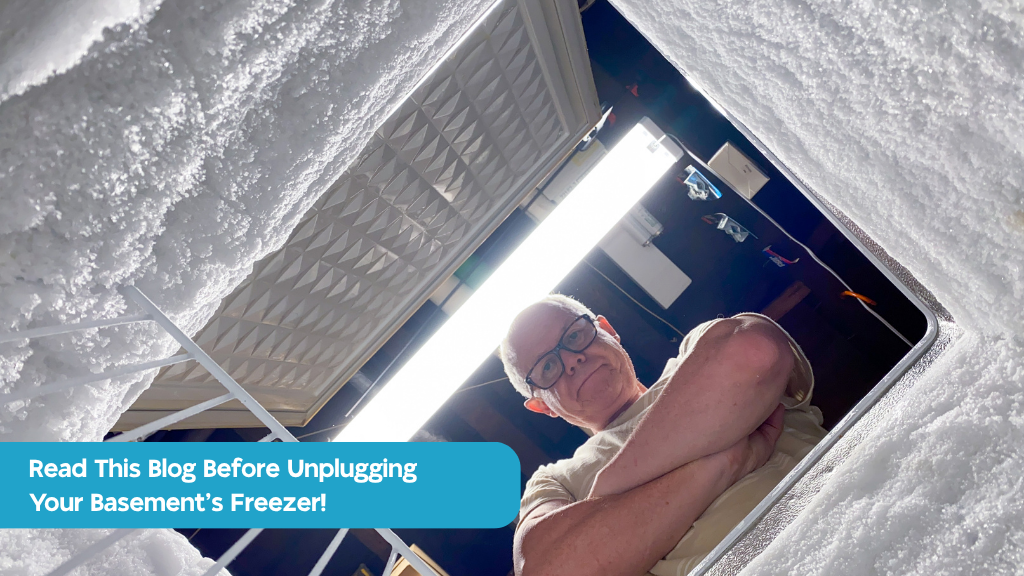
Many homeowners have old freezers sitting in their basements that barely get used. Maybe they once stored extra meat, holiday baking or bulk groceries. The thing is that now they’re mostly empty and taking up space. Unplugging them may seem simple. But if you don’t check the area around your basement freezer first, you could miss a bigger issue: water leaks.
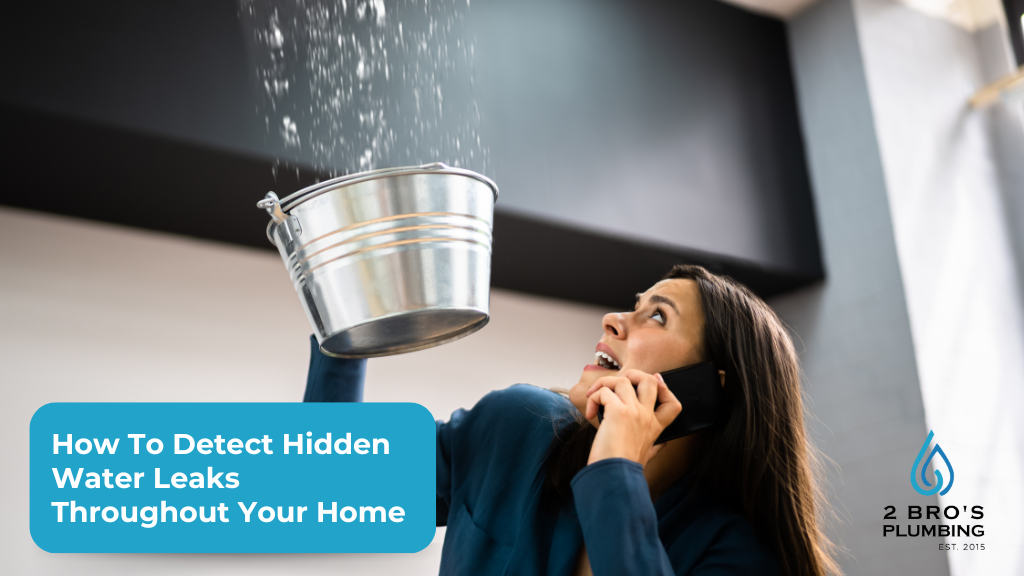
Firstly, basements are already more vulnerable to moisture. Secondly, appliances can hide small leaks, condensation, damaged flooring or plumbing problems nearby. What looks like a quick energy-saving decision can become a costly basement headache if water is already present.
What can go wrong?
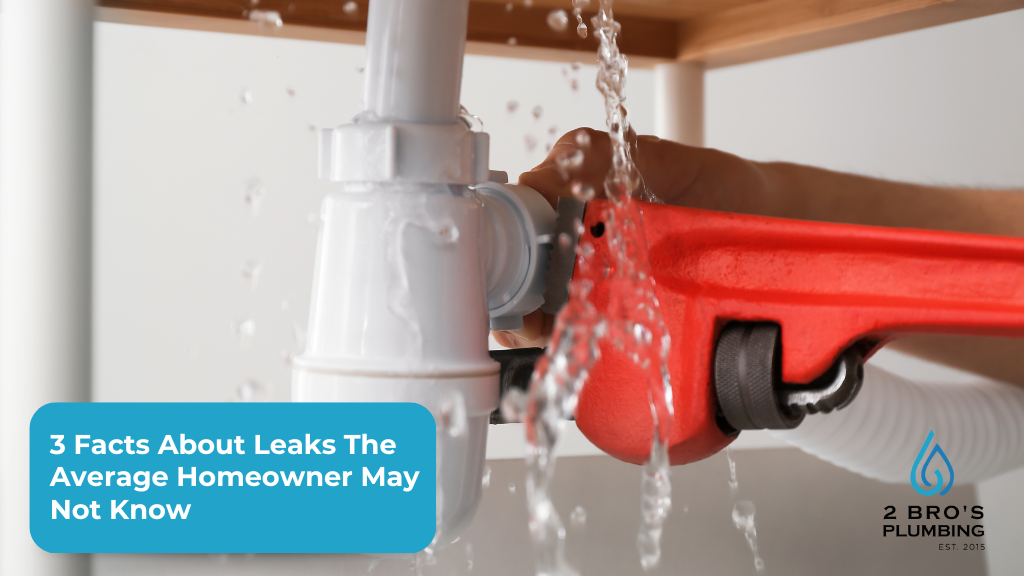
If there is food, frost buildup or trapped moisture inside the freezer, unplugging it without cleaning and defrosting it properly can lead to water pooling on the floor. That moisture can soak into nearby drywall, baseboards, flooring, storage boxes and insulation. The bigger concern is discovering that the freezer area was covering up an existing leak. A slow drip from a nearby pipe, laundry connection, sink rough-in or floor drain issue can go unnoticed for weeks or months.
Health Canada notes that “mould can grow in damp or wet areas in your home caused by water leaks, flooding, or high humidity that can result from everyday activities like cooking or showering. It can grow on wood, paper, fabrics, drywall and insulation. It can hide inside walls or above ceiling tiles. When mould finds a damp place to grow, it can contribute to poor indoor air quality and health problems.”
What’s the worst that can happen?
The worst-case scenario is a basement water leak that spreads while no one notices. Water can damage finished flooring, drywall, furniture, electrical components and stored belongings. In a finished basement, the damage can be especially expensive because water may travel behind walls or under flooring before it becomes obvious.
There is also a serious safety concern. Ontario’s Electrical Safety Authority warns that water and electricity are a dangerous mix. “If water in your basement has risen above the electrical outlets, baseboard heaters, furnace or electrical panel, DO NOT enter the basement until the power has been disconnected by the local electric utility,” warns their website.
What’s the best way to prevent leaks?
Before unplugging a basement freezer, empty it completely, defrost it safely, place towels or a shallow tray nearby and clean the inside thoroughly. Leave the door slightly open once it is dry to prevent odours and moisture buildup.
More importantly, inspect the surrounding area. Look for damp concrete, musty smells, stains on baseboards, bubbling flooring, rust on nearby pipes or water around floor drains. If your basement has plumbing rough-ins for a bathroom, kitchen, bar sink or laundry area, those connections should be checked by a professional before finishing the space.
Are you planning a basement renovation?
2 Bro’s Plumbing is here to assist with professional basement plumbing rough-ins and finishing services. Our Durham Region-based, family-owned business has been trusted for quality work since 2015. We work with homeowners and contractors alike to ensure all plumbing rough-ins are set up to code, with a focus on efficiency and reliability.
Give us a call at 905-556-0790, email us at admin@2brosplumbing.ca or fill out the form on our Contact page for a free quote today!